
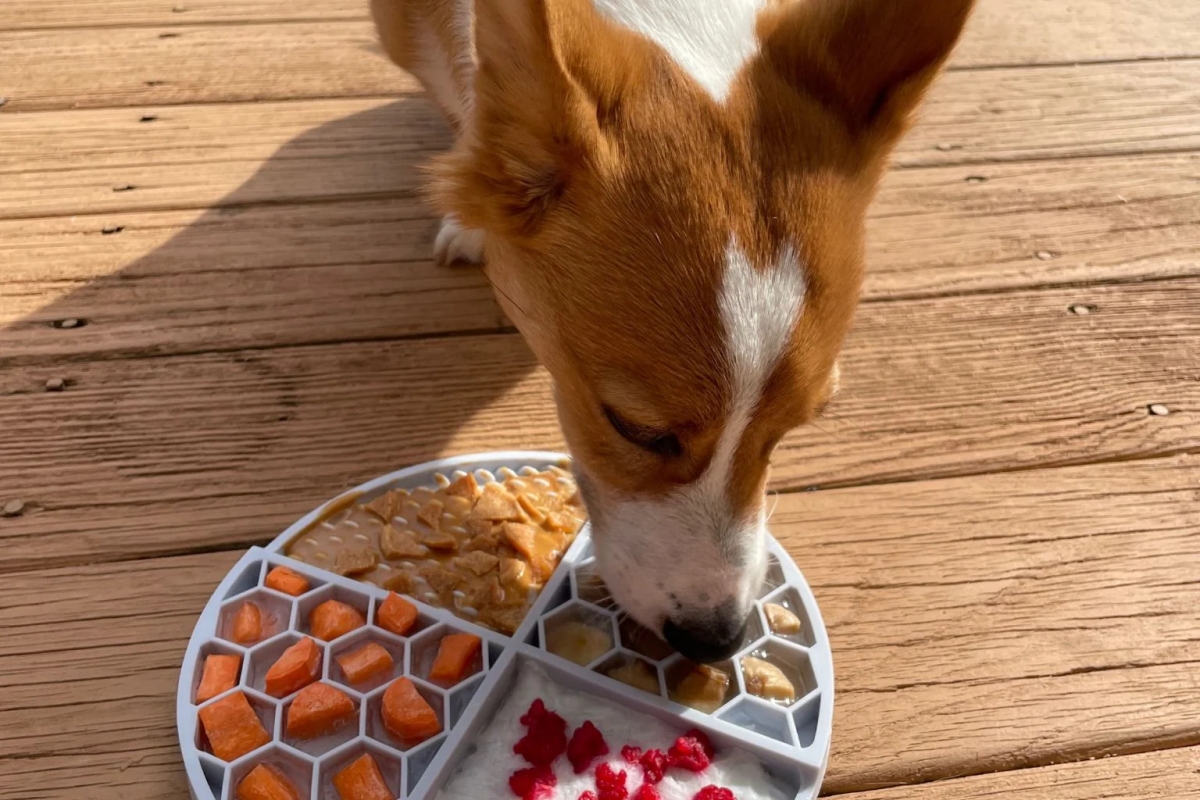
Managing your dog’s treat intake might seem like a small detail, but it plays a big role in their overall health and happiness. Keeping a record of how many and what type of treats your dog receives can prevent overindulgence and ensure they stay fit. Here’s a friendly guide on how to keep track of dog treat feeding in a straightforward way.
Choose a method that feels right for you. Some pet owners prefer using digital apps that help track feeding schedules and treat types, while others find a simple notebook works just fine. Both options have their advantages. An app can provide reminders and keep everything organized, while a notebook allows for quick notes without needing to pull out a device. Whichever method you choose, consistency matters. Make it a habit to log each treat given, including details like the type of treat and the time of day.
Pay attention to the nutritional content of the treats. Not all treats are created equal. Some are packed with calories, while others offer healthier options. Keeping a record helps you monitor what your dog is eating and make adjustments as needed. This way, you can indulge your furry friend without compromising their diet. Look for treats that are low in calories but still appealing to keep your dog excited during training or playtime.
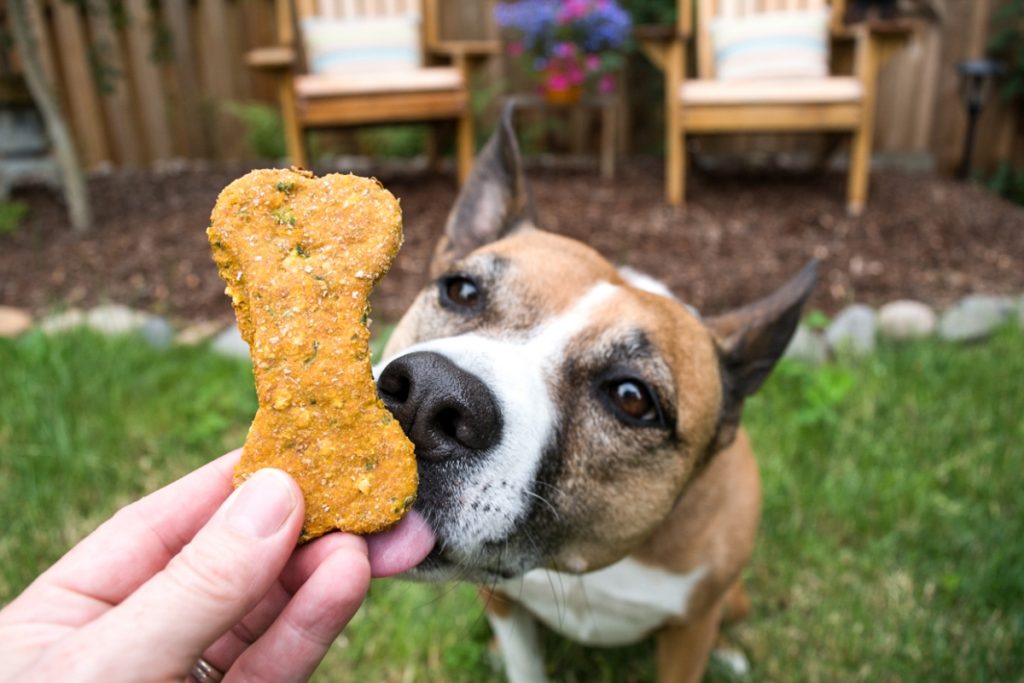
Timing is also important when it comes to treat giving. Using treats strategically during training sessions or as rewards for good behavior can enhance your dog’s learning experience. By recording when treats are given, you can identify patterns and see what motivates your dog the most. For example, if your dog responds well to a specific treat during training, keep that on hand for future sessions. This not only reinforces good behavior but also strengthens the bond you share.
Monitoring the frequency of treat giving is crucial for maintaining a healthy weight. Overfeeding can lead to health issues, so keeping track helps set limits. Consider giving treats only during specific activities, like after a walk or during play. This makes treats feel special and encourages your dog to behave well. It also prevents sneaky snackers from getting too many goodies throughout the day.
Another factor to consider is your dog’s reactions to different treats. Some dogs may have allergies or sensitivities to certain ingredients, and keeping track of any adverse reactions can be very helpful. If a particular treat causes an upset stomach or other issues, noting it down ensures you avoid it in the future. This attention to detail can significantly improve your dog’s quality of life.
Involving family members in this process can also make a difference. Everyone who interacts with your dog should be aware of the treat schedule to maintain consistency. A shared record can help everyone stay aligned, making it easier to manage your dog’s diet effectively. This teamwork creates a more harmonious environment for your pet.
Recording dog treat feeding can also be a fun activity. You might create a reward chart where your dog earns stars or stickers for good behavior, adding an element of excitement. This not only motivates your dog but also makes the process enjoyable for you.
Keeping track of dog treat feeding is a simple yet effective way to promote your dog’s health and enhance training. By being mindful of what, when, and how treats are given, you create a more structured and rewarding experience for your pet. This attention to detail fosters a deeper connection with your beloved canine companion.