Creating a gentle and calm cat is a rewarding journey that involves patience, understanding, and a bit of strategy. Many factors contribute to a cat’s temperament, including genetics, early socialization, and the environment they grow up in. While some cats naturally have a more laid-back demeanor, others may need a little extra help to develop a gentle personality.
Starting with early socialization can set the stage for a well-adjusted adult cat. Kittens are particularly impressionable during their first few months of life. Exposing them to various people, sounds, and experiences can help them become more adaptable and less fearful. Positive interactions during this time are crucial. Encourage gentle handling and provide plenty of opportunities for play. Using toys that mimic hunting behaviors can help satisfy their instincts while fostering a bond between you and your kitten.
For adult cats, creating a calm environment plays a significant role in nurturing a gentle temperament. A quiet, safe space where they can retreat when feeling overwhelmed is essential. Keeping the home free from loud noises and sudden movements can help your cat feel more secure. Soft bedding, hiding spots, and vertical spaces like cat trees can offer comfort and security.
Establishing a routine can further contribute to a cat’s sense of stability. Cats thrive on predictability, so having regular feeding times, play sessions, and quiet moments can help them feel more at ease. Consistency builds trust, making your cat more likely to exhibit gentle behaviors.
Using positive reinforcement is a powerful tool in encouraging a gentle temperament. Reward good behavior with treats, praise, or affection. When your cat displays calmness in new situations or around unfamiliar people, acknowledging that behavior reinforces their confidence and encourages them to repeat it. This approach helps create a positive association with various experiences, making them less anxious and more relaxed.
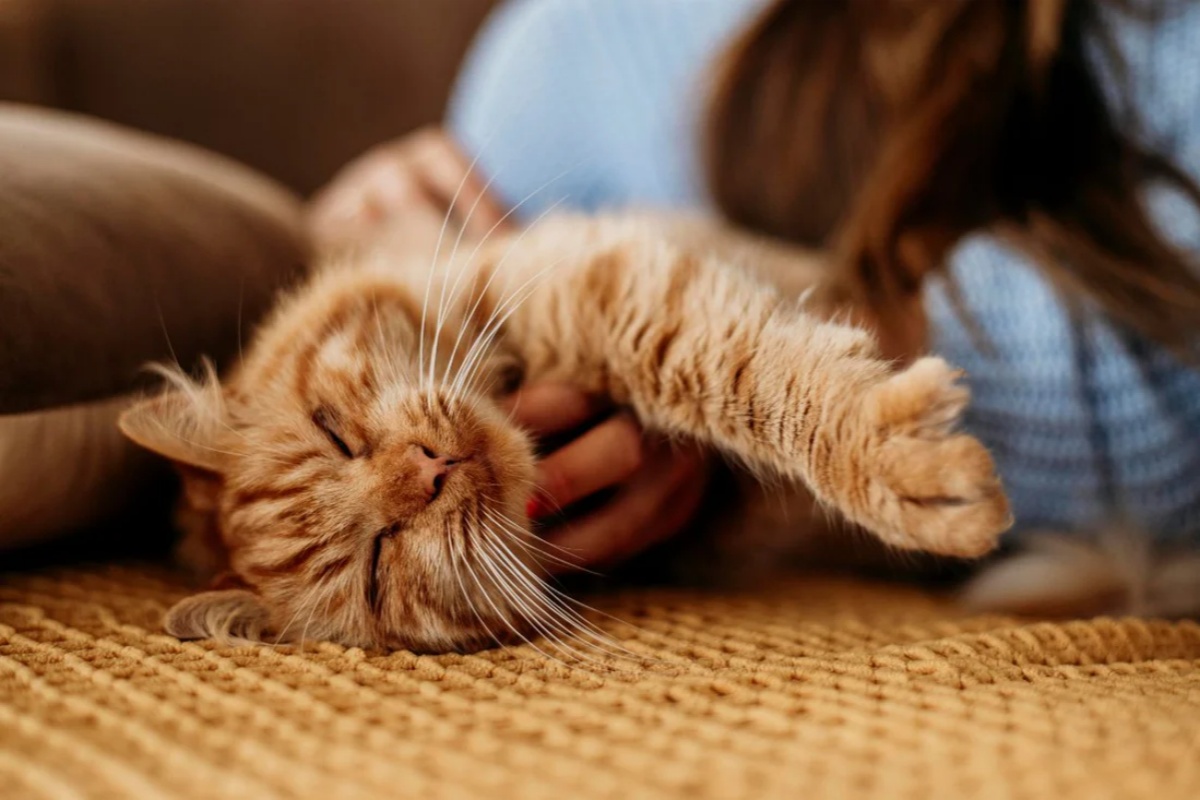
Gentle handling is equally important. When interacting with your cat, use slow movements and soft tones. Avoid sudden gestures that might startle them. Allow your cat to approach you on their terms, and respect their boundaries. This fosters trust and encourages them to feel comfortable around you.
Playtime can also contribute to a cat’s overall temperament. Engaging in interactive play not only stimulates their mind but also helps release pent-up energy. A well-exercised cat is often a calmer cat. Incorporate different types of toys to keep things interesting, and rotate them to maintain your cat’s interest.
Socialization with other pets can also help develop a gentle temperament. Supervised interactions with other calm animals can teach your cat how to behave in social situations. Watching how other pets interact can provide valuable lessons in gentleness and playfulness.
Consider your own energy and behavior. Cats are sensitive to their owners’ emotions and actions. Maintaining a calm and relaxed demeanor can help your cat feel more secure and at ease. Your attitude can influence how they respond to various situations.
Nurturing a gentle temperament in your cat is a gradual process that requires time and commitment. With the right approach and a loving environment, your cat can grow into a calm and affectionate companion, enriching your life with their gentle spirit.