Cats are fascinating creatures, and their territorial instincts play a big role in how they interact with their environment. Unlike dogs, who often seek to please their owners, cats have a strong sense of ownership over their space. This territorial behavior can manifest in various ways, and understanding it can help you create a harmonious home for both you and your feline friend.
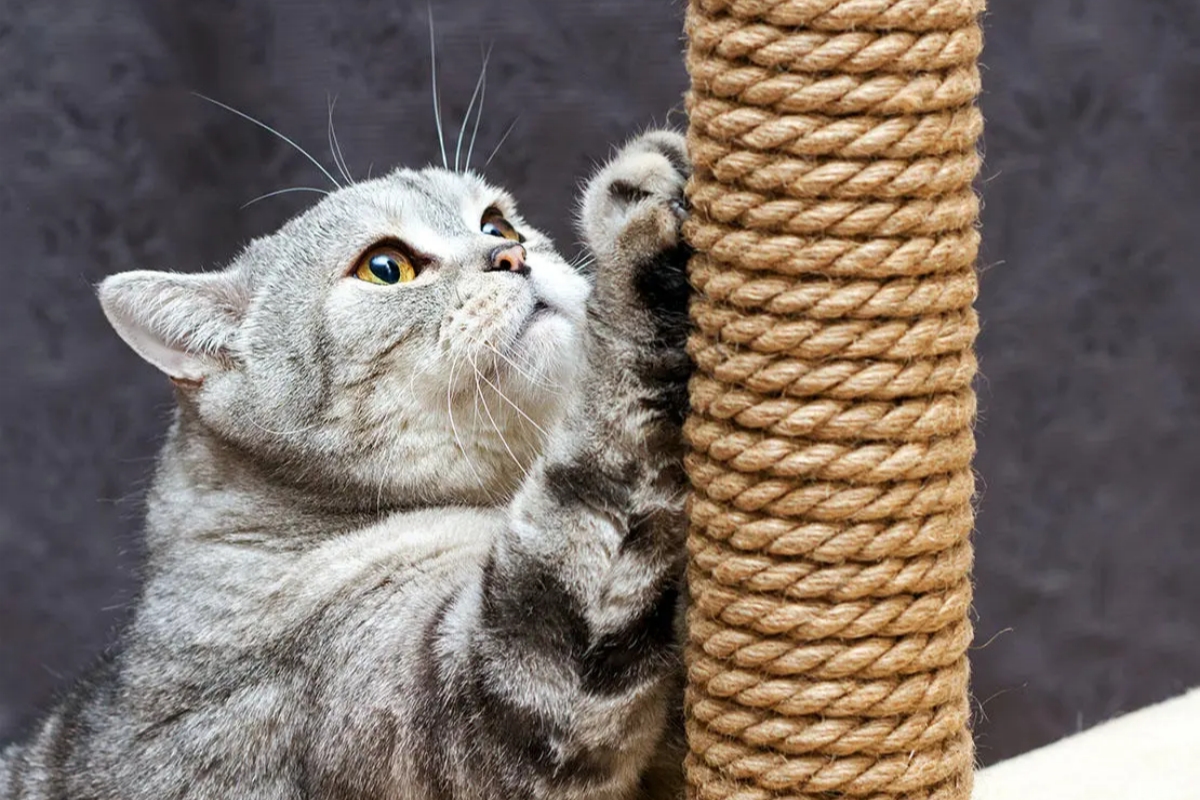
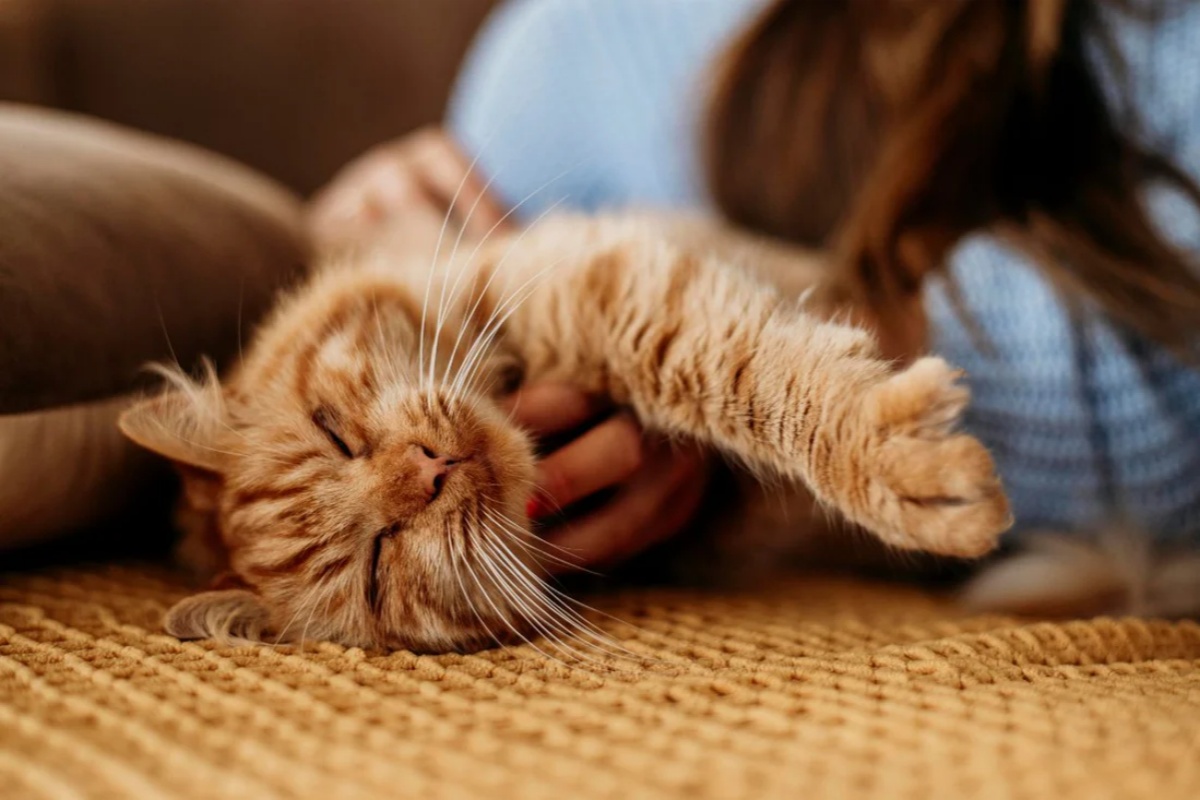
One of the first things to notice is how cats mark their territory. They have scent glands located on their cheeks, paws, and even at the base of their tail. When your cat rubs against furniture or scratches a post, they’re leaving their scent behind. This is their way of claiming their space and feeling secure. Providing them with appropriate surfaces to scratch and rub against can help satisfy this natural instinct.
Cats often feel the need to survey their territory from a high vantage point. This is why you may notice them climbing onto shelves or perching on top of furniture. Creating vertical spaces, like cat trees or shelves, can give them the opportunity to observe their surroundings and feel in control. It’s not just about having fun; it’s about their need to feel safe and aware of what’s happening around them.
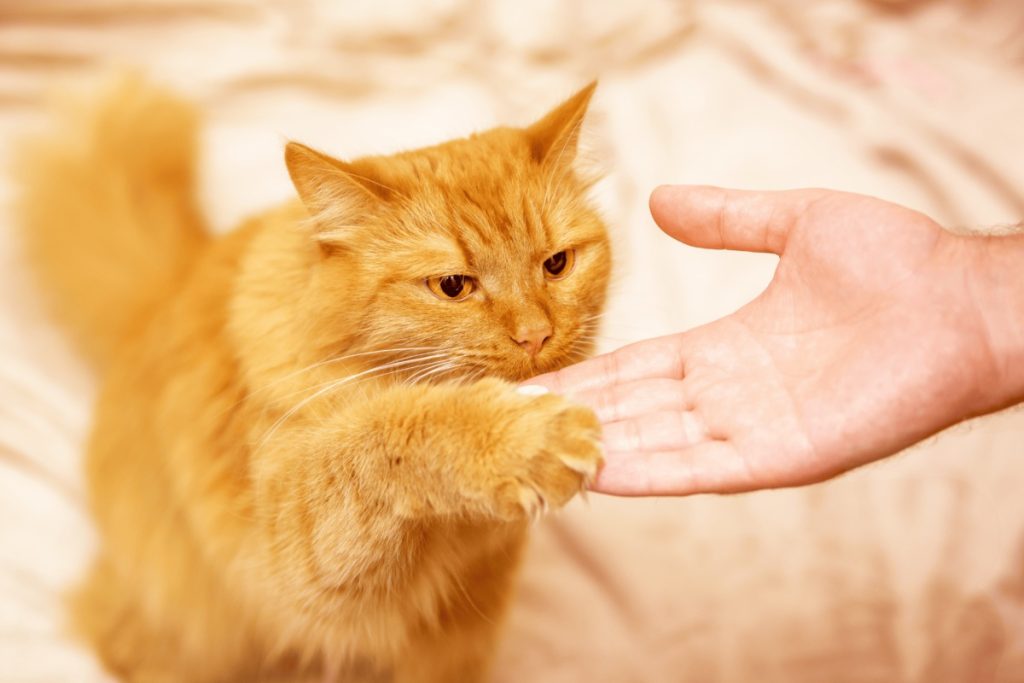
Introducing new items into your home can sometimes trigger territorial behavior. A new piece of furniture or even a new pet can cause stress for your cat. They may react by marking their territory more frequently or even showing signs of aggression. Gradually introducing changes and allowing your cat to explore new items at their own pace can help reduce anxiety. Patience is key here, as giving them time to adjust can lead to a smoother transition.
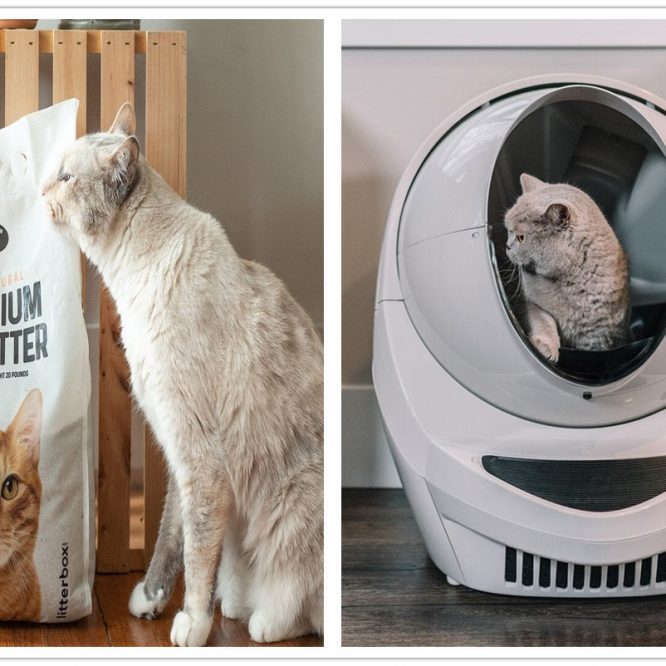
Social dynamics also play a big role in a cat’s territoriality. Cats are often solitary hunters in the wild, and they can be quite particular about their space. When multiple cats share a home, establishing separate territories can help reduce conflict. Providing each cat with their own food and water bowls, litter boxes, and resting areas can create a sense of security and minimize competition.
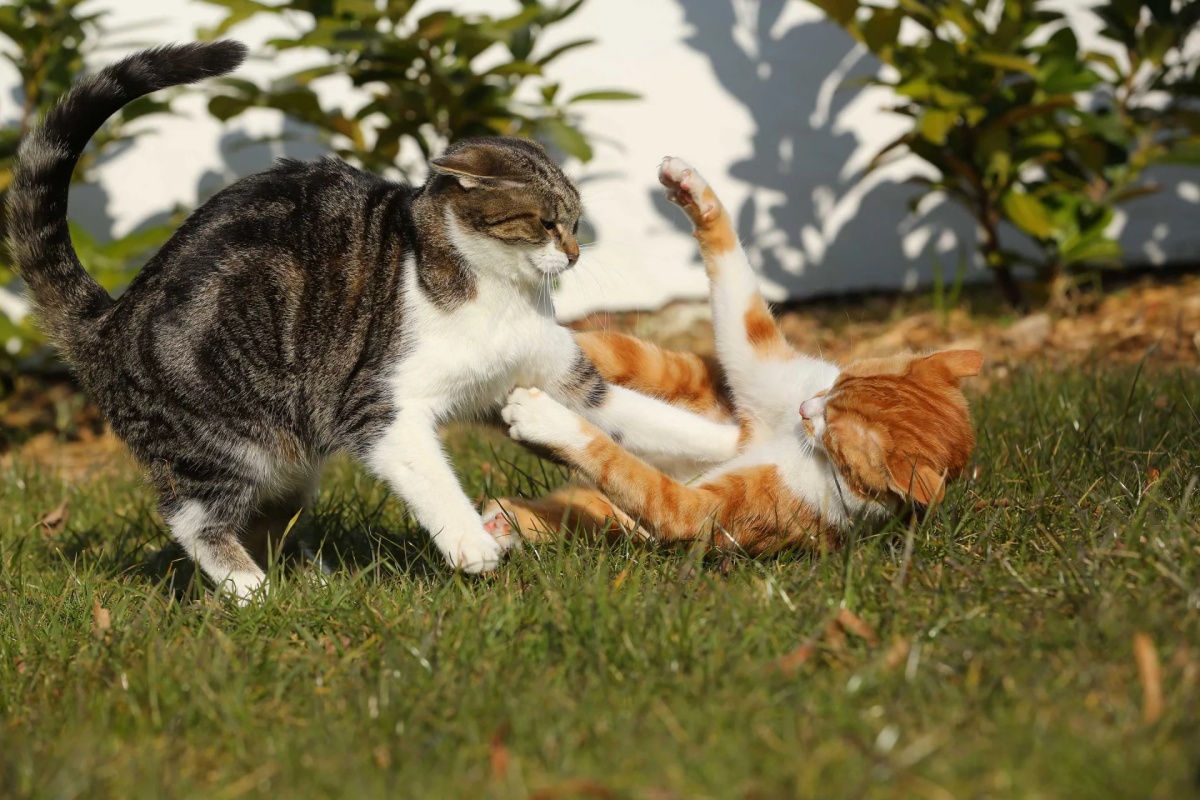
Understanding your cat’s body language is essential in recognizing their comfort levels. A cat that feels threatened may hiss, puff up, or swat. Observing these signs can help you determine when they need more personal space or when they’re feeling secure enough to interact. Respecting their boundaries is crucial for maintaining a positive relationship.
Enriching your cat’s environment can greatly influence their territorial behavior. Providing toys, scratching posts, and interactive playtime can keep them engaged and less focused on defending their territory. A well-stimulated cat is often a happier cat, and this can lead to a more peaceful home.
Recognizing and respecting your cat’s territorial instincts can enhance your bond and create a more harmonious living space. By providing them with the right environment and understanding their behaviors, you contribute to their overall well-being and happiness. Embracing their unique nature allows for a fulfilling relationship that benefits both you and your furry companion.